

The botanical world is bigger than any one plant.
As plant-powered products have grown in popularity, consumers have become increasingly curious about what is inside them, where those ingredients come from, and how one botanical differs from another. That curiosity has brought a new question into the conversation:
Cat’s Claw vs Kratom…What is the difference?
The simplest answer is that they are not the same plant; they have different chemical profiles and shouldn’t be treated as interchangeable.
Kratom has become one of the most widely discussed botanicals in the modern plant-based marketplace. Cat’s Claw, meanwhile, represents a different botanical with its own history, chemistry, and emerging place in modern product development.
For consumers exploring Cat’s Claw, Homiez Botanicals, and the next generation of botanical products, understanding that distinction is a great place to start.
Let’s break it down.
Cat’s Claw and Kratom Come From Different Plants
Despite sometimes appearing in the same broader botanical conversation, Cat’s Claw and kratom begin with two entirely different plants.
Cat’s Claw, commonly associated with the species Uncaria tomentosa, is a woody climbing vine native to tropical areas of Central and South America. Its name comes from the curved, hook-like thorns that help the vine climb surrounding vegetation.
Kratom, scientifically known as Mitragyna speciosa, is a tropical tree native to Southeast Asia.
Different regions.
Different plants.
Different histories.
Different chemical profiles.
This distinction matters because the word botanical describes an enormous category.
Coffee is a botanical. Tea is botanical. Lavender, ashwagandha, kava, kratom, and Cat’s Claw all come from plants, but that does not make them chemically or functionally interchangeable. The same principle applies here.
Cat’s Claw is not kratom.
And for a new generation of botanical consumers, that difference is exactly what makes the category interesting.
Cat’s Claw vs. Kratom: A Quick Comparison
| Cat’s Claw | Kratom | |
|---|---|---|
| Botanical Name | Uncaria tomentosa | Mitragyna speciosa |
| Plant Type | Woody climbing vine | Tropical evergreen tree |
| Geographic Association | Central and South America | Southeast Asia |
| Commonly Discussed Compounds | Oxindole alkaloids and other plant compounds | Mitragynine, 7-hydroxymitragynine, and other alkaloids |
| Modern Market Position | Emerging botanical category | Established and widely recognized botanical category |
| Homiez Botanicals Approach | Modern Cat’s Claw-derived botanical formulations | Not used in the Homiez Botanicals line |
The important takeaway is simple:
Sharing a broad botanical category does not make two plants the same.
Their identities begin with their source plants and continue through their distinct chemical profiles.
The Chemistry Is Different Too
This is where the comparison becomes particularly interesting. Both Cat’s Claw and kratom have attracted research interest in part because of their naturally occurring plant chemistry. But the compounds discussed in connection with each plant are different.
Kratom research commonly focuses on alkaloids including mitragynine and 7-hydroxymitragynine, along with numerous other compounds found within Mitragyna speciosa.
Cat’s Claw research has explored a different phytochemical profile. Scientific literature surrounding Uncaria tomentosa describes multiple oxindole alkaloids and distinguishes between different alkaloid profiles within the plant.
The term “alkaloid” is a category, not a single ingredient.
Thousands of naturally occurring alkaloids exist across the plant kingdom. Different plants contain different compounds, and even products derived from the same botanical source can vary depending on the plant material, extraction process, formulation, and other factors.
That is why thoughtful botanical education matters. Instead of asking whether two botanical products sound similar, consumers should be asking better questions:
- What plant does the product come from?
- What compounds are being discussed?
- How is the product formulated?
- Is the serving information clear?
- Can I access product testing information?
The future of botanicals should be built on understanding, not assumptions.
So, Is Cat’s Claw a Replacement for Kratom?
We think this is the wrong way to frame the conversation. Cat’s Claw does not need to be kratom; it is its own botanical.
As the modern plant-powered marketplace expands, consumers are discovering that botanical exploration does not have to begin and end with the plants they already know. There is an entire world of plant chemistry still being studied, refined, and introduced through modern formats.
That is where Cat’s Claw becomes particularly exciting. For years, much of the botanical conversation has centered around a relatively small group of familiar plants. Today’s consumers are more educated, more curious, and increasingly interested in understanding what else is available.
Homiez Botanicals was created for that curiosity.
Not to recreate the same category with a different label, but to explore a new lane.
Why Are People Exploring New Botanicals?
The botanical customer is changing.
Early adopters helped introduce plant-powered products into broader consumer culture. Today, those customers are joined by people who expect more from the products they purchase.
They want:
- Convenient product formats
- Consistent formulations
- Clearly communicated serving information
- Modern flavors and experiences
- Accessible testing documentation
- Better education about what they are buying
Most importantly, they want options. The botanical industry cannot evolve by repeating the same products forever. Innovation requires curiosity. It requires looking at plants that consumers may not already know. It requires better formulation, better education, and better ways to experience botanical products.
That philosophy is at the center of Homiez Botanicals.
Where Homiez Botanicals Fits In
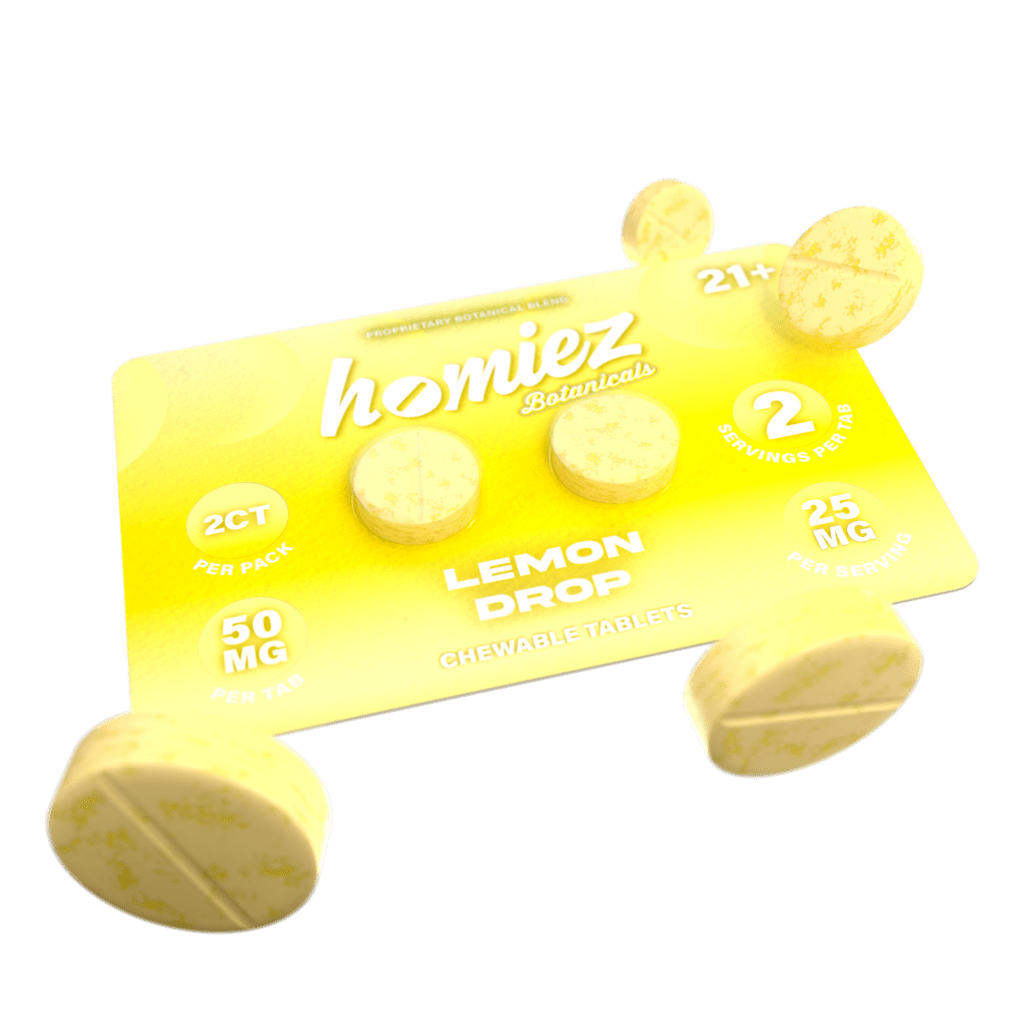
Homiez has always been built around moving forward. With Homiez Botanicals, that philosophy enters a new chapter centered around plant-powered innovation and Cat’s Claw-derived formulations.
Our goal is not to make botanical products unnecessarily complicated. It is to make a new category approachable.
That means modern tablet formats, clear product information, fruit-forward flavor options, and accessible testing documentation.
Homiez is a brand that is willing to explain not only what we make, but why the category matters.
Consumers should not have to be botanical researchers to understand the products they purchase. At the same time, they deserve more information than a trendy plant name and a flashy package. Homiez Botanicals is working to meet in the middle: making complex plant innovation accessible to the modern consumer.
Different Plant. Different Chemistry. Different Lane.
The Cat’s Claw vs. kratom conversation becomes much simpler when you remove assumptions.
They are different plants that come from different parts of the world. They have rich and varied histories. Their chemical profiles are different. And they occupy different spaces in the evolving botanical conversation.
For consumers, retailers, and anyone paying attention to what is happening next in the plant-powered space, the real question may not be:
Is Cat’s Claw the same as kratom?
The more interesting question is:
What else is out there?
We think botanical consumers are ready to find out. The plant-powered marketplace has spent years building the road.
Now it is time to explore a new lane.
Homiez Botanicals. A new lane of plant power.
Shop Homiez Botanicals