The first step outside the familiar is usually the hardest one. But once you start exploring the botanical world, something interesting tends to happen: it gets bigger very quickly.
One plant leads to another. A conversation about extracts turns into questions about alkaloids, formulations, plant species, testing, and what those milligram numbers on the package actually mean. Before long, something that once seemed incredibly niche starts to feel surprisingly familiar. And then, naturally, comes the next question:
What else is out there?
This question has helped shape the modern botanical marketplace for years. Consumers have become increasingly comfortable researching unfamiliar plants, learning new terminology, comparing products, and looking beyond categories they already know. What begins as curiosity about one botanical can easily become a much broader interest in plant chemistry and the enormous variety found throughout the botanical world.
Cat’s Claw is part of that bigger story.
At Homiez Botanicals, we think its growing visibility reflects something much larger than interest in one particular plant. It represents a continued willingness to explore and to look beyond the first “alternative” someone discovers and realize that there is an entire botanical landscape still waiting to be understood.
Botanical Exploration Usually Starts With One Question
Most people don’t enter the botanical world already knowing the scientific names of plants or the differences between various extraction methods. They probably are not casually discussing phytochemistry over breakfast, either. They learn as they go.
Maybe a product catches someone’s attention first. Maybe they hear the name of a plant they have never encountered before. That initial curiosity can quickly lead to more specific questions: Where does the plant grow? What compounds does it naturally contain? Why do different extracts vary? What exactly does the amount listed on a package represent? How do you compare one botanical product with another?
That process matters because the more you learn about botanicals, the harder it becomes to think of them as one giant, interchangeable category.
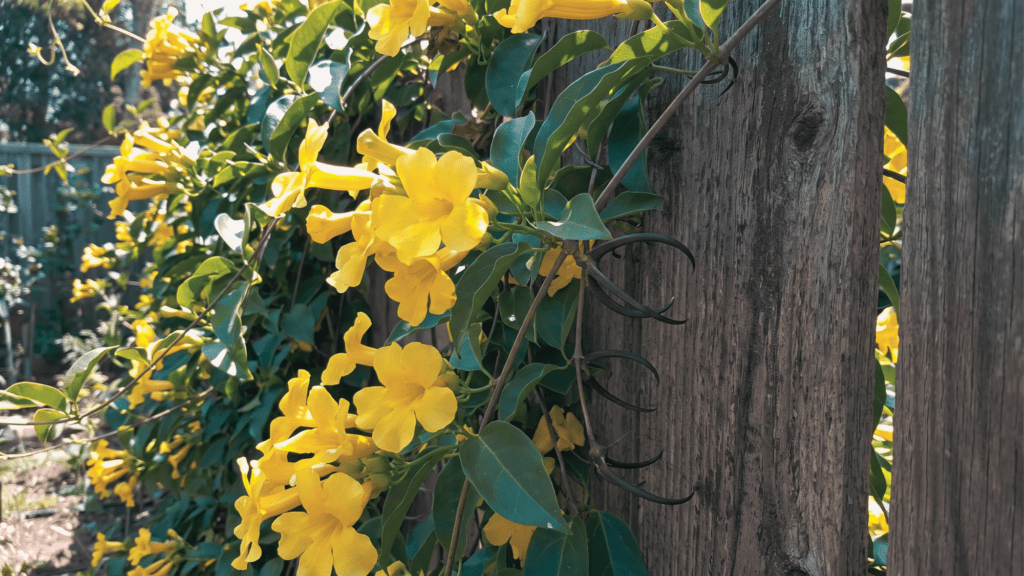
Plants grouped together under the broad umbrella of “botanicals” can have completely different origins, histories, chemical profiles, and traditional uses. Uncaria tomentosa, commonly known as Cat’s Claw, is one example. It is a woody vine associated with tropical regions of Central and South America, particularly Peru, and its phytochemistry has been the subject of scientific interest for decades.
That does not make Cat’s Claw better than every other botanical. It makes it distinct. And that distinction is where botanical exploration becomes so much more interesting.
Instead of asking which plant is universally “best,” consumers can begin asking better questions: What makes this particular plant unique? What does its chemistry look like? How has it traditionally been used? How is it being incorporated into modern products?
There is a lot more room for discovery when every botanical does not have to compete for the exact same identity.
Yesterday’s Alternative Eventually Becomes Familiar
Every emerging product category has an awkward introduction phase. The terminology feels strange. Customers have questions. Retailers are cautious. Brands spend a significant amount of time simply explaining what something is before they can even begin talking about the product itself.
Then familiarity starts to grow.
Consumers recognize the names. They understand the basic terminology. They know what to look for on a package. Retailers know what questions to ask. What once felt unconventional eventually develops its own conventions.
That is a normal part of category growth, but it creates an interesting cycle. The people curious enough to explore an emerging category in the first place rarely stop being curious once that category becomes familiar. They keep reading. They keep comparing. They encounter another plant they have never heard of and start the process all over again.
In a sense, the same curiosity that helps build one botanical category creates the conditions for the next one. That is what makes the idea of an “alternative to the alternative” interesting. It is not necessarily about finding a replacement for whatever came before. It is about refusing to assume that the first alternative you discover represents the entire world beyond the familiar.
Spoiler: it absolutely does not.
There Is More Than One Lane Through the Botanical World
Botanical products are often discussed as simple substitutions.
This instead of that.
Plant A instead of Plant B.
The new category instead of the old one.
It makes for an easy marketing message, but plants are considerably more interesting than that.
Cat’s Claw does not need to pretend to be another botanical in order to deserve attention. Its story begins with Uncaria tomentosa itself: a plant with a longstanding presence in traditional Peruvian practices and a complex phytochemical profile that includes both alkaloid and non-alkaloid constituents.
That story can stand on its own.
The same is true throughout the botanical marketplace. Different plants can occupy different conversations, inspire different areas of research, and appeal to different consumer interests. Exploring one does not require dismissing another.
A growing botanical market should have more than one lane.
The fun part is finding out where they lead.
As Consumers Learn More, Their Questions Get Better
Someone encountering an unfamiliar botanical for the first time usually begins with the basics: What is this? Where does it come from? How is it used in a modern product?
Once those basics become familiar, the questions tend to get much more specific. Which botanical species is actually being used? Which part of the plant? What does the stated milligram amount refer to? How was the finished product formulated? Is there product-specific testing available? Can the company explain clearly what is actually inside the package?
That progression is a sign of growing product literacy.
A beautiful package and an interesting botanical story might be enough to spark curiosity, but they are not the same thing as understanding the finished product. Labels, ingredient information, serving sizes, manufacturing practices, and supporting documentation all become more important as consumers become more comfortable navigating the category.
A Changing Marketplace Makes Clarity Even More Important
Botanical categories do not exist in a vacuum. They develop alongside changing consumer interests, scientific research, retailer standards, state policies, and federal regulatory decisions.
When one area of the broader marketplace changes, consumers naturally begin looking more closely at the products around them. They ask what compounds are actually present, whether two botanicals being discussed together are chemically related, and whether brands can provide documentation supporting what they are selling.
A changing category does not automatically turn another botanical into its replacement, and regulatory attention surrounding one group of compounds does not mean every plant-adjacent product belongs in the same conversation. If anything, periods of change create an opportunity for the botanical marketplace to become more precise.
Plants should be identified clearly. Products should be discussed based on their actual composition. Brands should be able to explain what they are making without relying on confusion between unrelated botanical categories.
For Homiez Botanicals, that means keeping the conversation centered on Cat’s Claw itself: its botanical identity, the chemistry surrounding the plant, how our products are formulated, and the information available for consumers and retailers who want to understand them more closely.
There is no need to make the story more dramatic than it already is.
Plants are complicated enough.
Cat’s Claw Can Be Old and New at the Same Time
One of the most fascinating things about botanical discovery is that “new” is incredibly relative. A plant can have centuries of history behind it and still be completely new to the person encountering it for the first time.
Cat’s Claw illustrates that perfectly. The plant has an established history within traditional Peruvian practices, and Uncaria tomentosa has appeared in scientific literature examining everything from ethnobotany to phytochemistry.
Yet plenty of modern consumers are only now asking a very basic question:
What exactly is Cat’s Claw?
The plant itself is not new. The modern conversation surrounding how it fits into an evolving botanical marketplace is. Our role at Homiez Botanicals is to enter an existing botanical story thoughtfully: helping introduce Cat’s Claw to a modern audience, making the surrounding chemistry understandable, developing approachable products, and providing information that allows people to evaluate those products for themselves.
We are not inventing Cat’s Claw; we’re simply exploring what its next chapter might look like.
Discovery Should Feel Exciting, Not Confusing
There is a big difference between confusion and curiosity.
Curiosity makes you want to learn more. Confusion makes you wonder what you just bought.
Botanical products can—and should—create that little spark of discovery. Finding a plant you have never heard of before is part of what makes exploring the category fun. But the excitement should not disappear the moment someone flips the package over and starts looking for actual information.
Consumers should be able to understand what botanical they are buying. Retailers should be able to ask for supporting documentation. The emerging botanical categories that last will likely be the ones that manage both sides of that equation well: maintaining the excitement of discovering something unfamiliar while making the product itself increasingly easy to understand.
That balance matters to us.
Curiosity Gets You There. Information Builds Confidence.
Discovering a new botanical often starts organically. Something looks interesting. The plant has an unusual name. A friend mentions it. A product catches your eye on a shelf.
Then the research starts.
You read about the plant. You look at the ingredient panel. You learn what an alkaloid is. You compare botanical species. You start noticing differences in formulations. Eventually, you might even become the person looking for COAs before buying something.
Congratulations. You are now the person explaining botanical chemistry to your friends at dinner.
That gradual movement from curiosity to understanding is how emerging categories mature. Not simply through louder slogans or increasingly dramatic claims, but through consumers becoming more informed and brands giving them better information to work with.
A more informed consumer raises the bar for everyone: clearer labels, more thoughtful formulations, stronger documentation, and fewer opportunities for vague language to do all the heavy lifting.
There Will Always Be Something Else to Discover
The botanical world is far too large for any single plant, extract, or product category to represent all of it.
There will always be another species someone has never encountered before, another piece of plant chemistry worth understanding, another extraction method to learn about, or another unfamiliar product sitting on a shelf waiting to send someone down an entirely new research rabbit hole.
That does not make the botanical space chaotic. It is part of what makes it worth exploring.
The consumers who helped grow today’s botanical marketplace were already willing to look beyond familiar categories once. There is no reason that exploration has to stop simply because the first unfamiliar thing eventually became familiar.
For some people, the next discovery may be Cat’s Claw. For others, it may be another plant entirely. Some will become fascinated by phytochemistry. Some will start paying closer attention to testing and formulation. Others will simply discover a botanical they had never heard of and spend an afternoon learning about it.
There is no single path through this world.
That is the point.
When we talk about the alternative to the alternative, we are not talking about replacing one narrow category with another or pretending every botanical serves the same purpose. We are talking about continuing to look beyond what we already know while expecting the products we discover along the way to be thoughtfully developed, clearly explained, and supported by real information.
The botanical world is much bigger than any one category.
Might as well keep exploring.
Homiez Botanicals. A new lane of plant power.
Shop Cat’s Claw Powered Botanicals